


Dr. Kody was raised in Lebanon and attended East Linn Christian Academy through high school, where he graduated from in 2013, following which he attended Oregon State University for college finishing in 2016. He was then accepted to Oregon Health and Sciences Universityfor dental school that winter. Dr. Kody began school at OHSU in the late summer of 2017, as a third-generation legacy of the school’s program, excited to be attending a school historically known for producing highly skilled clinicians. He graduated in 2021 with honor and was grateful to have spent four years learning from and with many respected instructors and colleagues of both extraordinary clinical skill and knowledge. Dr. Kody decided to move to the Boise, Idaho area following graduation. He spent a year working in a busy practice providing care in all facets of general dentistry. While he enjoyed his time living there, he decided to return home and join his father in practice in Lebanon. Quite literally growing up in and around traditional family dental practice has helped shape the philosophy of care Dr. Kody strives to maintain in practice today. He wants every patient to feel comfortable and at ease, earning their trust by providing detailed explanations when necessary and always providing honest advice and options for all patients’ unique concerns and conditions. Whether you require a little “TLC” or prefer to be “in-and-out”, he’s always happy to accommodate you the best he possibly can. He enjoys meeting new people and appreciates opportunities to talk with patients about more than just dentistry, whenever possible. Professional and Education
Outside of the OfficeDr. Kody has a love for just about anything outdoors and the Mid-Willamette Valley and surrounding areas offer more recreational activities than can be taken advantage of. Depending on the season he enjoys fishing, running- often on local logging roads, lake days, or simply shooting his bow on a quiet summer evening. He spends a large amount of his free time visiting and relaxing with family and friends, most often accompanied by his black lab, Harper. Beyond his personal hobbies, Dr. Kody also enjoys serving when he can at the local assisting school, volunteering care to patients and helping provide assisting students chairside clinical opportunities.   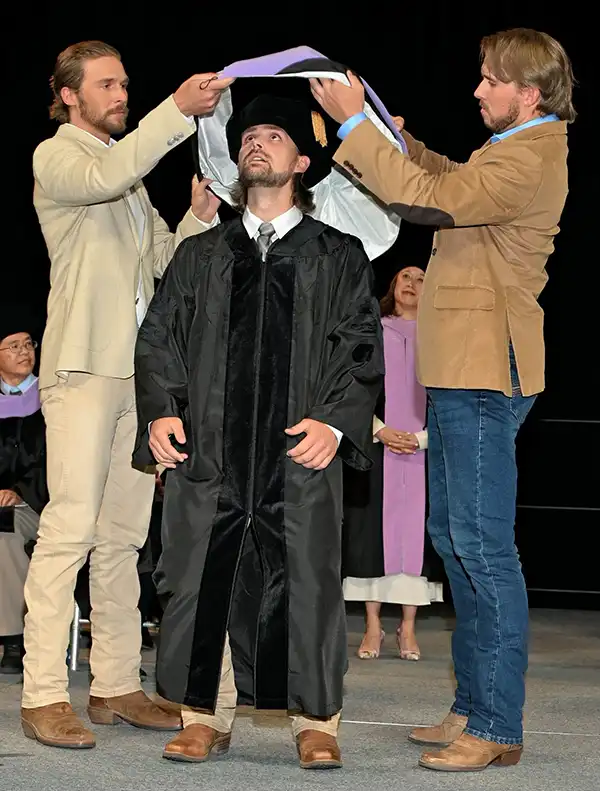    |
Inlays and Onlays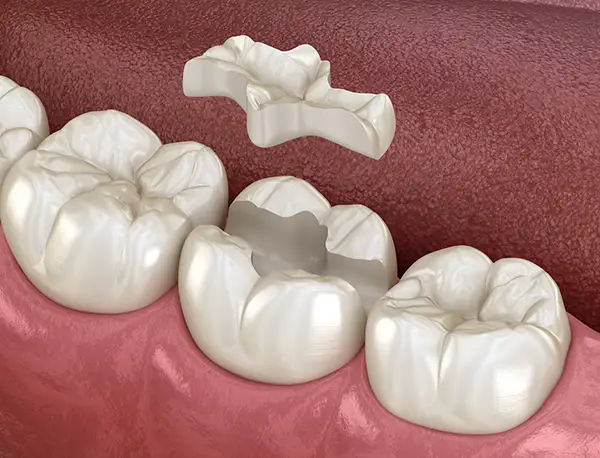 Chances are, you have probably heard of fillings or crowns being used to treat a tooth that has a cavity or decay. Fillings are typically used for very small cavities, while a crown is necessary when there is damage throughout the tooth. However, some tooth damage falls somewhere in the middle and requires an alternative treatment. Chances are, you have probably heard of fillings or crowns being used to treat a tooth that has a cavity or decay. Fillings are typically used for very small cavities, while a crown is necessary when there is damage throughout the tooth. However, some tooth damage falls somewhere in the middle and requires an alternative treatment.This is exactly why our professionals at Osborne Dentistry offer inlays and onlays as a dental restoration option. This treatment serves as the middle ground between both extremes, allowing our team to be more flexible with treatment options and give you the perfect restoration for any situation. What Is an Inlay?An inlay is considered an indirect restoration and is stronger than a traditional filling. Inlays are used to repair decay in between the cusps of your teeth. In order to make an inlay, we will create a mold of the tooth that is in need of repair. This mold is sent to a lab where your inlay is created. When your inlay is finished, you will return for the procedure. Our professionals will administer a local anesthetic so that you are pain-free during the installation. We will then remove the decayed material using a dental drill. The inlay is installed using dental cement and your repair is complete. What Is an Onlay?Onlays are similar to inlays. They are manufactured in the same manner and follow a similar installation process. The only difference between the two is that an onlay extends onto the cusp of your damaged tooth but does not completely encapsulate it like a crown. What Are Inlays and Onlays Made Of?Both onlays and inlays can be manufactured from a variety of materials. If you want your restoration to match the color of your natural tooth, then it will need to be manufactured from porcelain or composite material. Porcelain provides the best color-match. Some patients are more concerned with durability rather than whether or not the inlay is matched to the color of their tooth. When this is the case, our team may recommend that you receive an inlay or onlay out of gold. Gold provides the best strength out of any material choice and is popular for those who want to add an accent to their repaired tooth. Do Inlays and Onlays Last?Inlays and onlays last longer than a traditional filling because they use stronger materials and are precision-made to fit exactly in the space that they are repairing. They can last anywhere from 10 to as long as 20 years. This will depend on how well you care for them and what material they are made from. To achieve the longest life, you will need to have an inlay made out of gold or porcelain. If you would like to learn more about inlays and onlays or are ready to have your smile restored, you should come to see our highly-skilled team at Osborne Dentistry. Scheduling an appointment is as easy as calling our office at 541-451-4300. |